

Can HD Ro Membrane be used in brackish water treatment?
As a supplier of HD Ro Membrane, I often receive inquiries about the suitability of our product for brackish water treatment. Brackish water, which has a salt concentration between that of fresh water and seawater, presents unique challenges and opportunities in water treatment. In this blog, I will explore whether HD Ro Membrane can be effectively used in brackish water treatment, considering its features, performance, and the specific requirements of brackish water treatment.
Understanding Brackish Water and Its Treatment Requirements
Brackish water typically contains dissolved salts, such as sodium chloride, calcium, magnesium, and sulfates, in concentrations ranging from 1,000 to 10,000 parts per million (ppm). The treatment of brackish water aims to reduce the salt content to a level suitable for various applications, including drinking water supply, industrial processes, and agricultural irrigation.
The key requirements for brackish water treatment include high salt rejection, high water flux, and resistance to fouling and scaling. High salt rejection ensures that the treated water meets the desired quality standards, while high water flux allows for efficient water production. Resistance to fouling and scaling is crucial to maintain the long - term performance of the membrane and reduce the frequency of cleaning and replacement.
Features of HD Ro Membrane
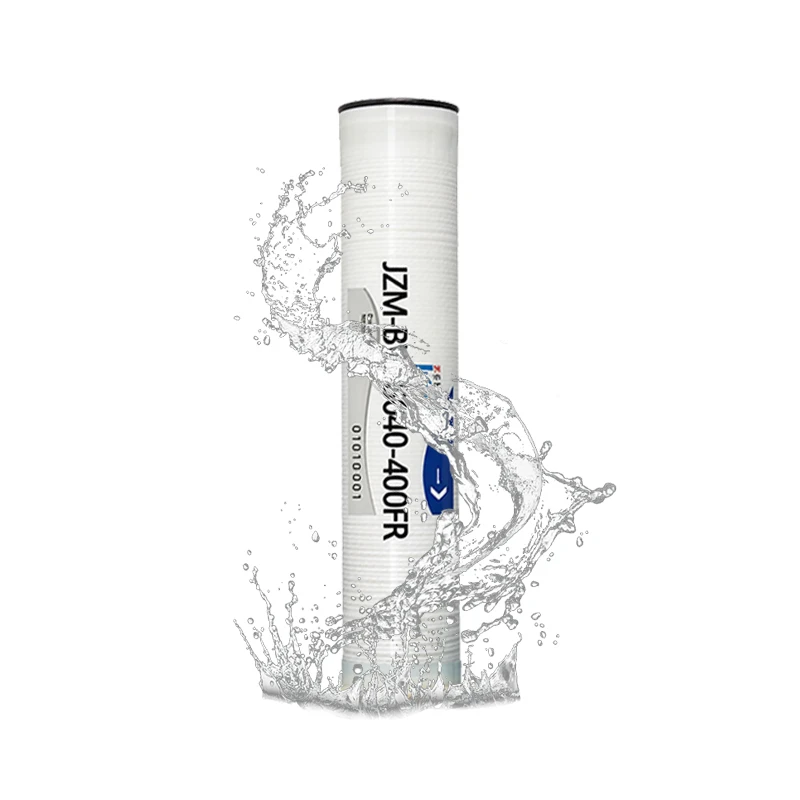
HD Ro Membrane is a type of reverse osmosis membrane that offers several features that make it a potential candidate for brackish water treatment.
- High Salt Rejection: HD Ro Membrane is designed to achieve high salt rejection rates, typically above 99%. This means that it can effectively remove a large portion of the dissolved salts in brackish water, producing high - quality treated water.
- High Water Flux: With its advanced membrane structure, HD Ro Membrane can provide relatively high water flux. High water flux allows for a greater volume of water to be treated in a given time, increasing the efficiency of the water treatment process.
- Chemical Resistance: HD Ro Membrane is resistant to a wide range of chemicals, including acids, bases, and oxidants. This chemical resistance makes it suitable for use in various water treatment environments, where the water may contain different types of contaminants.
- Fouling and Scaling Resistance: The membrane surface of HD Ro Membrane is engineered to resist fouling and scaling. This helps to maintain the membrane's performance over time and reduces the need for frequent cleaning and maintenance.
Performance of HD Ro Membrane in Brackish Water Treatment
In practice, the performance of HD Ro Membrane in brackish water treatment depends on several factors, including the feed water quality, operating conditions, and membrane design.
- Feed Water Quality: The quality of the brackish water, such as the salt concentration, pH, and the presence of other contaminants, can significantly affect the performance of the HD Ro Membrane. For example, if the feed water contains a high concentration of suspended solids or organic matter, it may cause fouling of the membrane, reducing its water flux and salt rejection.
- Operating Conditions: The operating pressure, temperature, and flow rate also play important roles in the performance of the HD Ro Membrane. Higher operating pressures generally result in higher salt rejection and water flux, but they also increase the energy consumption. The temperature can affect the viscosity of the water and the membrane's performance, with higher temperatures usually leading to higher water flux.
- Membrane Design: The design of the HD Ro Membrane, such as the membrane material, membrane thickness, and the configuration of the membrane module, can influence its performance in brackish water treatment. For example, membranes made of Polyamide Ro Membrane are known for their high salt rejection and chemical resistance.
Comparison with Other Types of Ro Membranes for Brackish Water Treatment
There are several types of reverse osmosis membranes available for brackish water treatment, including Low Energy Ro Membrane, Seawater Ro Membrane, High Quality Ro Membrane, and Brackish Water Ro Membrane.
- Low Energy Ro Membrane: Low energy RO membranes are designed to operate at lower pressures, which can reduce the energy consumption of the water treatment process. However, they may have lower salt rejection rates compared to HD Ro Membrane.
- Seawater Ro Membrane: Seawater RO membranes are designed for treating seawater, which has a much higher salt concentration than brackish water. They typically have very high salt rejection rates but may require higher operating pressures. HD Ro Membrane may be more suitable for brackish water treatment in terms of energy efficiency.
- High Quality Ro Membrane: High - quality RO membranes generally offer good performance in terms of salt rejection and water flux. HD Ro Membrane can be considered a high - quality option, but its specific performance may vary depending on the design and manufacturing process.
- Brackish Water Ro Membrane: Brackish water RO membranes are specifically designed for brackish water treatment. They are optimized to meet the requirements of brackish water, such as high salt rejection and resistance to fouling. HD Ro Membrane can compete with these specialized membranes in terms of performance and cost - effectiveness.
Case Studies and Real - World Applications
There have been several case studies where HD Ro Membrane has been used in brackish water treatment. In one case, a water treatment plant in a coastal area used HD Ro Membrane to treat brackish groundwater. The plant was able to achieve a high salt rejection rate of over 99% and a stable water flux, providing high - quality drinking water to the local community.
In another case, an industrial facility used HD Ro Membrane to treat brackish water for its manufacturing processes. The membrane's resistance to fouling and scaling helped to reduce the maintenance costs and ensure the continuous operation of the water treatment system.
Conclusion
In conclusion, HD Ro Membrane can be effectively used in brackish water treatment. Its high salt rejection, high water flux, chemical resistance, and fouling and scaling resistance make it a suitable option for treating brackish water. However, the performance of HD Ro Membrane in brackish water treatment depends on various factors, such as the feed water quality, operating conditions, and membrane design.
When considering using HD Ro Membrane for brackish water treatment, it is important to conduct a detailed analysis of the feed water characteristics and the specific requirements of the water treatment project. This will help to optimize the membrane's performance and ensure the long - term success of the water treatment system.
If you are interested in using HD Ro Membrane for your brackish water treatment project, please feel free to contact us for more information. We are committed to providing high - quality products and professional technical support to meet your water treatment needs.

References
- "Reverse Osmosis Membrane Technology" by John Wiley & Sons.
- "Water Treatment Handbook" by MWH Global.
- Technical reports on HD Ro Membrane performance in brackish water treatment from our company's research and development department.